
Tests When Using Raloxifene
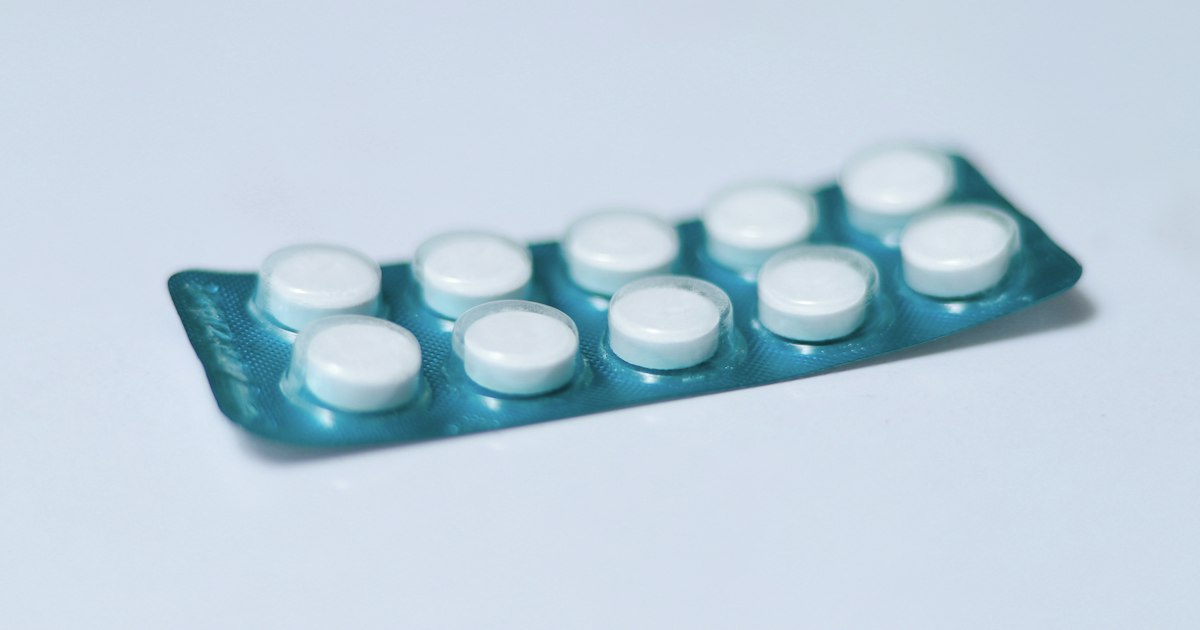
Raloxifene is prescribed for the long term - for years - so it is important not only to start treatment but also to understand how to check its effectiveness and safety. The editorial team gathered the examinations that appear in the drug's label and in clinical osteoporosis guidelines, and explained why each one is needed.
The Logic of Monitoring
Raloxifene is a selective estrogen receptor modulator, registered for the treatment and prevention of osteoporosis in postmenopausal women and for reducing the risk of invasive breast cancer. Accordingly, the tests must answer two questions: whether the drug works and whether it does harm.
Effectiveness is assessed primarily by the condition of the bones: mineral density and, if needed, markers of bone turnover. Safety is linked to the drug's main risks - thromboembolism and stroke - as well as to its estrogen-like effect on the liver, which changes blood lipids and proteins.
It is important to understand that there is no 'thrombosis risk test' that would allow complications to be reliably ruled out. Therefore, part of the monitoring is not laboratory work but careful history-taking, assessment of risk factors, and attention to symptoms.
The specific list and frequency of examinations are determined by the doctor. Below is a typical picture, based on the FDA label and the Endocrine Society guidelines on postmenopausal osteoporosis.
Examinations Before Starting Treatment
Before prescribing any bone agent, the diagnosis must be confirmed and fracture risk assessed. For this, dual-energy X-ray absorptiometry (DXA) of the lumbar spine and hip is performed, and the 10-year fracture risk is calculated using the FRAX tool, taking into account age, body weight, previous fractures, and other factors.
Next, secondary causes of osteoporosis are ruled out, since low bone density can be a consequence of another disease. For this the doctor orders basic biochemistry and hormonal tests.
| Examination | Purpose |
|---|---|
| DXA of the spine and hip | Confirmation of osteoporosis, a baseline for comparison |
| Calcium, phosphorus, albumin, alkaline phosphatase | Ruling out disorders of mineral metabolism |
| 25(OH)D (vitamin D) | Correcting a deficiency before starting treatment |
| Parathyroid hormone, TSH | Ruling out hyperparathyroidism and hyperthyroidism |
| Creatinine, ALT, AST, bilirubin | Kidney and liver function |
| Lipid panel, including triglycerides | Baseline level, especially with hypertriglyceridemia on estrogens in the past |
| Complete blood count | Baseline assessment |
| Mammography according to age-based screening | Ruling out existing breast cancer |
A separate block is the assessment of venous thromboembolism risk. The doctor finds out whether there have been deep vein thromboses, pulmonary embolism, or retinal vein thrombosis, whether there are thrombophilias in the family, planned surgeries, or prolonged immobilization. Routine laboratory screening for thrombophilias is not performed for all patients, but with a burdened history it may be ordered.
Cardiovascular risk is also assessed: blood pressure, the presence of atrial fibrillation, prior strokes or transient ischemic attacks. The FDA label separately warns of an increased risk of death from stroke in women with coronary heart disease or a high risk of coronary events.
Monitoring Effectiveness: Bones
Repeat densitometry is usually performed 1-2 years after the start of treatment, and less often thereafter if the indicators are stable. Results should be compared on the same device, since there can be systematic differences between machines.
Bone turnover markers - C-telopeptide of type I collagen (CTX) as an indicator of bone breakdown and N-terminal propeptide of type I procollagen (P1NP) as an indicator of formation - can decrease as early as the first months of antiresorptive therapy. They are used for early confirmation of response and adherence to treatment, but not all doctors order them routinely.
CTX has a pronounced daily rhythm and depends on food intake, so blood is taken in the morning on an empty stomach. Otherwise fluctuations in the result may be larger than the drug's effect.
It is important to remember that the goal of treatment is fewer fractures, not an 'ideal' number on densitometry. In the MORE trial, raloxifene reduced the risk of vertebral fractures even with a modest increase in bone density, so small DXA dynamics do not necessarily mean ineffectiveness.
Monitoring Safety: Blood, Lipids, Liver
Raloxifene acts on the liver similarly to estrogen, so it changes the lipid profile: it lowers total cholesterol and LDL while hardly affecting HDL. Monitoring the lipid panel allows these changes to be assessed, and in women in whom oral estrogens previously caused a significant rise in triglycerides, the label advises watching triglycerides in particular.
Liver tests (ALT, AST, bilirubin) matter for two reasons. First, raloxifene is almost entirely metabolized in the liver, and in hepatic insufficiency the drug's concentration rises. Second, although clinically significant hepatotoxicity is rare, when symptoms of liver damage appear, tests help respond in time.
- Patients on warfarin:monitoring of prothrombin time and INR after starting and after discontinuing raloxifene, since a decrease in prothrombin time has been described.
- Impaired kidney function:monitoring of creatinine; in severe renal insufficiency the drug is used with caution.
- Bloody vaginal discharge:the label requires examination to rule out endometrial pathology.
- Breast screening:mammography continues in accordance with age-based recommendations.
Coagulation laboratory indicators, such as D-dimer, are not used for 'preventive' monitoring, since they do not predict thrombosis in an asymptomatic person. Instead, it is important to know the symptoms that require emergency care: swelling and pain in the leg, sudden shortness of breath, chest pain, sudden loss of vision.
Before planned surgeries or prolonged immobilization (for example, after an injury), raloxifene is usually stopped in advance; the decision about timing is made by the doctor.
Hormonal Indicators and Special Situations
Raloxifene increases the level of sex hormone-binding globulin (SHBG) thanks to its estrogen-like effect on the liver. Therefore, total testosterone and estradiol levels while on the drug may change partly due to the bound fraction. For a correct assessment it is useful to take SHBG into account and calculate the free fractions.
In men, in whom raloxifene is sometimes used off-label, a study by Duschek and colleagues (2004) recorded an increase in LH, FSH, and testosterone. Thus, the hormonal panel while on the drug reflects not one's own 'baseline' state but a stimulated axis, which is important in any diagnosis.
For athletes the laboratory has one more meaning: raloxifene and its metabolites are detected in doping control. The drug belongs to class S4 of the WADA Prohibited List and is banned at all times, and with medical indications a therapeutic use exemption is required.
In all cases, a single test result should be interpreted over time and in context: the same laboratory, the same time of blood collection, taking concomitant medications into account.
Editorial Conclusions
Before starting raloxifene treatment, the key elements are densitometry, a search for secondary causes of osteoporosis, vitamin D, and a careful assessment of thrombosis risk.
Effectiveness is monitored with repeat DXA after 1-2 years and, if needed, with bone turnover markers.
Safety is ensured by the lipid panel, liver tests, INR in patients on warfarin, breast screening, and knowledge of warning symptoms.
We also recommend reading our materials on the medical indications for raloxifene in women, on its effect on the liver, and on tests when using enclomiphene.
References
- U.S. Food and Drug Administration. EVISTA (raloxifene hydrochloride) tablets: prescribing information. Eli Lilly and Company.
- Eastell R, Rosen CJ, Black DM, et al. Pharmacological management of osteoporosis in postmenopausal women: an Endocrine Society clinical practice guideline. J Clin Endocrinol Metab. 2019;104(5):1595–1622.
- Ettinger B, Black DM, Mitlak BH, et al. Reduction of vertebral fracture risk in postmenopausal women with osteoporosis treated with raloxifene: results from a 3-year randomized clinical trial. JAMA. 1999;282(7):637–645.
- Barrett-Connor E, Mosca L, Collins P, et al. Effects of raloxifene on cardiovascular events and breast cancer in postmenopausal women. N Engl J Med. 2006;355(2):125–137.
- Duschek EJ, Gooren LJ, Netelenbos C. Effects of raloxifene on gonadotrophins, sex hormones, bone turnover and lipids in healthy elderly men. Eur J Endocrinol. 2004;150(4):539–546.
- Kanis JA, Johnell O, Oden A, et al. FRAX and the assessment of fracture probability in men and women from the UK. Osteoporos Int. 2008;19(4):385–397.
- World Anti-Doping Agency. The Prohibited List. Montreal: WADA; чинна редакція.
Andriy Melnyk
A strength-sports coach and author of programs for beginner and intermediate levels. Writes about training planning.