
Whey Protein After 40
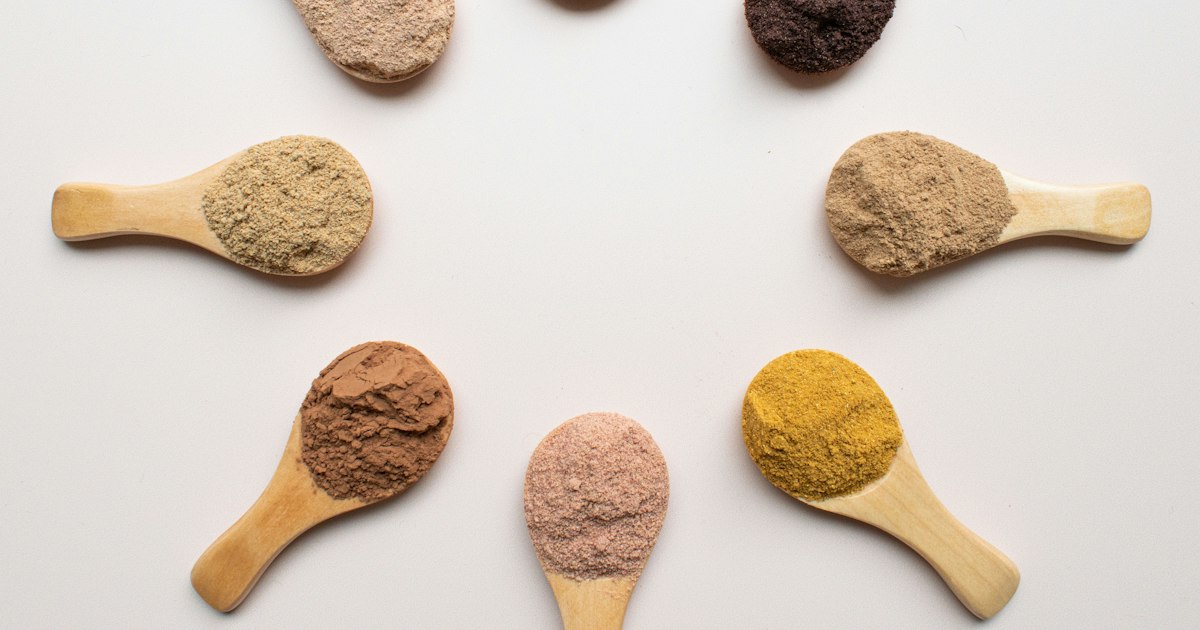
After 40, muscles gradually become less responsive to dietary protein, and the loss of muscle mass gains pace with each decade. That is why the question of protein in mature age is not only about sport, but also about health, strength, and future independence. The editorial team examined what changes with age and where whey protein fits in.
What Happens to Muscles After 40
Age-related loss of muscle mass begins earlier than is commonly thought. As early as the fourth decade of life, many people show a gradual decline in muscle mass, and strength falls even faster than mass because neuromuscular regulation also deteriorates.
When the loss of muscle mass and strength reaches a clinically significant level, it is called sarcopenia. The European consensus EWGSOP2 (Cruz-Jentoft et al., 2019) defines sarcopenia primarily by reduced muscle strength, confirmed by a low quantity or quality of muscle. It is a condition associated with falls, fractures, and loss of independence.
The causes of age-related muscle loss are complex: a decline in anabolic hormones, less physical activity, chronic low-grade inflammation, and changes in the nervous system and nutrition. One important link is a reduced muscle response to dietary protein.
The good news is that muscles respond to training at any age. Strength exercise combined with sufficient protein is the most effective strategy for preserving muscle mass, and age 40+ is the ideal time to start.
Anabolic Resistance and the Role of Leucine
The term 'anabolic resistance' describes the reduced ability of older people's muscles to respond with protein synthesis to the same amount of dietary protein. In other words, a serving that is enough for a maximal response in a young person produces a weaker effect at an older age.
A study by Moore and colleagues (2015) compared young and older men and showed that to maximally stimulate myofibrillar protein synthesis, older people need a larger relative dose of protein - about 0.4 g per kilogram of body weight per meal versus roughly 0.24 g/kg in the young.
A key role here is played by leucine - an essential amino acid that signals to muscle cells that 'building material' is available. Whey protein has one of the highest leucine contents among dietary proteins and is absorbed quickly, so it produces a sharp rise in blood amino acids.
It is precisely for this reason that whey protein is especially interesting for people of mature age: a small serving by volume allows you to get enough leucine to cross the 'threshold' of the anabolic response without eating a large amount of food.

How Much Protein You Need in Mature Age
The official norm of 0.8 g/kg per day is calculated to prevent deficiency, not for optimal muscle preservation. The PROT-AGE working group (Bauer et al., 2013) recommended at least 1.0-1.2 g/kg per day for people over 65, and more for those who are active and train.
For people aged 40-60 who do strength training, it is sensible to aim for the general recommendations for active adults: 1.4-2.0 g/kg per day (Jager et al., 2017). A meta-analysis by Morton and colleagues (2018) showed that the response to additional protein decreases with age, which once again underscores the importance of getting enough.
| Group | Protein guideline per day | Source |
|---|---|---|
| Adults in general (minimum) | 0.8 g/kg | General norms |
| People 65+ without chronic illness | 1.0-1.2 g/kg | PROT-AGE, 2013 |
| Active adults who train | 1.4-2.0 g/kg | ISSN, 2017 |
Distribution is no less important. A typical diet provides little protein at breakfast and a lot at dinner. For people of mature age it is better to aim for 25-40 g of quality protein at each main meal, and this is exactly where a protein shake can help 'top up' breakfast.
Pay attention to appetite as well. It often declines with age, and it can be hard for people to eat enough meat, fish, or cheese. A liquid form of protein fills this gap without a large volume of food.
Whey Protein and Strength Training
Protein on its own, without training, has a limited effect on muscles. The best results in older people are achieved when protein is combined with strength exercise. Training increases muscle sensitivity to amino acids, partly compensating for anabolic resistance.
For people 40+, strength training 2-3 times a week with progressive loading is the standard recommendation. It is not necessary to work with heavy weights: what matters is regularity, full range of motion, and a gradual increase in effort.
- A serving of protein after training is a convenient way to get 25-40 g of protein.
- A protein breakfast helps distribute protein evenly throughout the day.
- Adding protein to porridge, yogurt, or smoothies is a simple way to increase protein without changing habits.
- For those who tolerate lactose poorly, it is better to choose an isolate.
Protein is not a magic pill: a person who does not train and undereats will not preserve muscle through shakes alone. But as part of a comprehensive approach, whey protein is one of the most practical supplements for mature age.
Safety: Kidneys, Bones, Interactions
The most common concern about protein after 40 relates to the kidneys. In people with healthy kidney function, a moderately high protein intake does not, according to available data, cause them harm. However, the incidence of chronic kidney disease increases with age, and many people are unaware of their diagnosis.
The editorial team therefore advises checking basic indicators of kidney function - creatinine and estimated glomerular filtration rate - before significantly increasing protein in the diet. In kidney disease, the amount of protein should be determined by a nephrologist.
As for bones, current data do not confirm the old fear that protein 'leaches' calcium: sufficient protein intake together with calcium and vitamin D supports bone health, especially in combination with training.
People taking medications should remember that some drugs, in particular certain antibiotics and osteoporosis medications, are poorly absorbed together with dairy products. The timing of protein and medications is best coordinated with a doctor or pharmacist.
Editorial Conclusions
After 40, muscles become less responsive to dietary protein, so the need for it rises and the importance of strength training becomes even greater.
Thanks to its high leucine content and rapid absorption, whey protein is a convenient tool for getting a sufficient serving of protein per meal, especially at breakfast or after training.
The effect is maximal in combination with regular strength exercise and adequate overall nutrition. Before significantly increasing protein, it is worth checking kidney function.
We also recommend reading our materials on whey protein for women, on protein and sleep, and on whether protein makes sense during a bulking phase.
References
- Moore DR, Churchward-Venne TA, Witard O, et al. Protein ingestion to stimulate myofibrillar protein synthesis requires greater relative protein intakes in healthy older versus younger men. J Gerontol A Biol Sci Med Sci. 2015;70(1):57–62.
- Bauer J, Biolo G, Cederholm T, et al. Evidence-based recommendations for optimal dietary protein intake in older people: a position paper from the PROT-AGE Study Group. J Am Med Dir Assoc. 2013;14(8):542–559.
- Cruz-Jentoft AJ, Bahat G, Bauer J, et al. Sarcopenia: revised European consensus on definition and diagnosis. Age Ageing. 2019;48(1):16–31.
- Morton RW, Murphy KT, McKellar SR, et al. A systematic review, meta-analysis and meta-regression of the effect of protein supplementation on resistance training-induced gains in muscle mass and strength in healthy adults. Br J Sports Med. 2018;52(6):376–384.
- Jäger R, Kerksick CM, Campbell BI, et al. International Society of Sports Nutrition Position Stand: protein and exercise. J Int Soc Sports Nutr. 2017;14:20.
- Tang JE, Moore DR, Kujbida GW, Tarnopolsky MA, Phillips SM. Ingestion of whey hydrolysate, casein, or soy protein isolate: effects on mixed muscle protein synthesis at rest and following resistance exercise in young men. J Appl Physiol. 2009;107(3):987–992.
Andriy Melnyk
A strength-sports coach and author of programs for beginner and intermediate levels. Writes about training planning.